Burnout vs. Depression: How to Tell the Difference
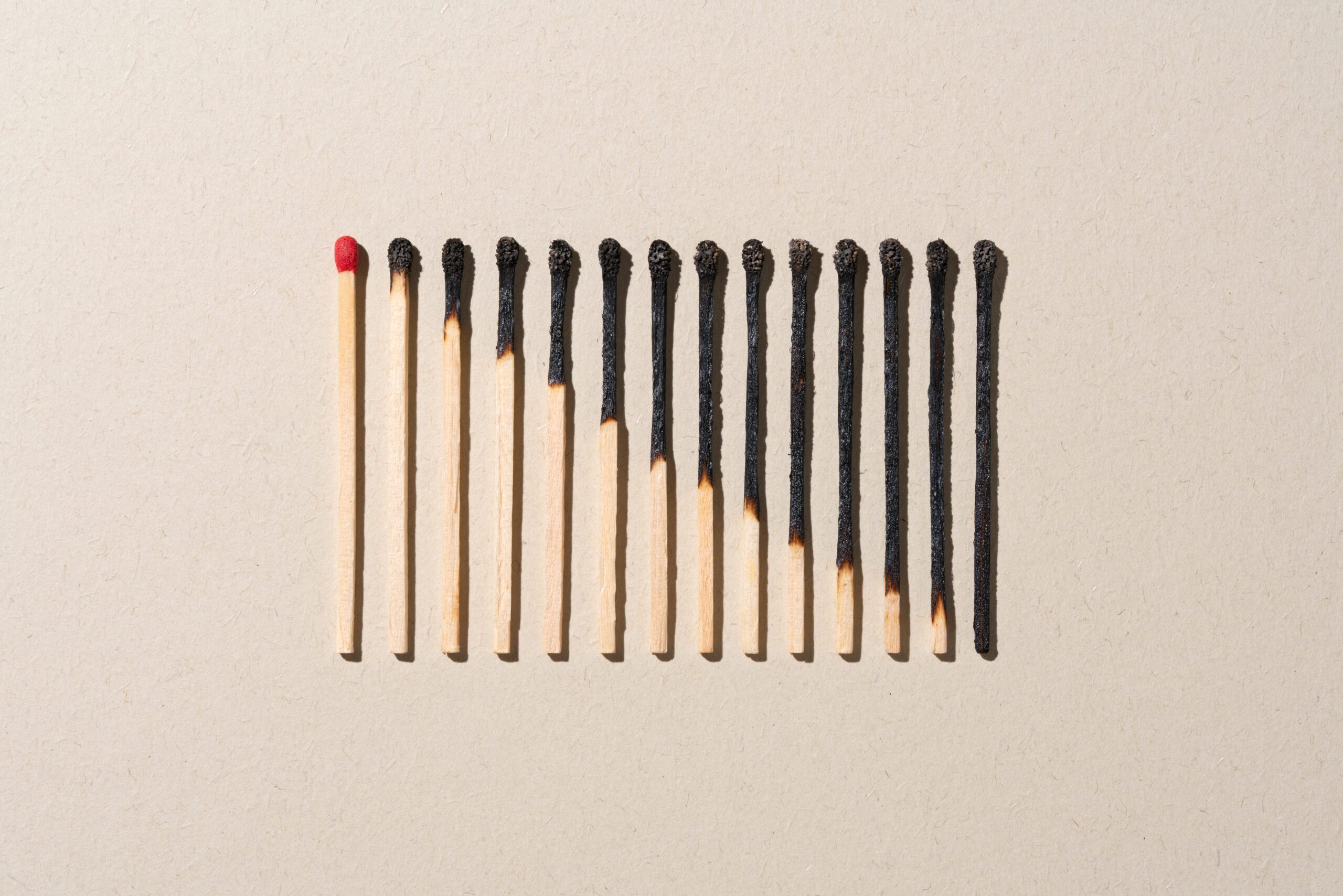
Have you ever woken up dreading the day ahead, wondering if you are just overworked or if something much deeper is going on? In our hyper-connected, fast-paced world, the modern hustle often blurs the line between extreme exhaustion and clinical mental health conditions.
If you are feeling perpetually drained, understanding Burnout vs. Depression: How to Tell the Difference is the first crucial step toward getting the right help. While both conditions can leave you feeling depleted and unmotivated, they have different root causes, distinct characteristics, and require completely different approaches to healing.
Here is a comprehensive guide to understanding your symptoms and finding your way back to wellness.
Understanding the Core Definitions
To figure out what you are experiencing, we must first define both concepts accurately.
What is burnout?
Burnout is not merely a buzzword for a bad week at the office; it is a recognized occupational syndrome. According to the ICD-11 burnout classification criteria outlined by the World Health Organization, burnout is characterized by three main dimensions: feelings of energy depletion, increased mental distance or cynicism related to one’s job and a sense of reduced professional efficacy.
It is important to note the difference between job dissatisfaction and chronic stress. While job dissatisfaction means you simply don’t like your day-to-day tasks, chronic workplace stress — when left unmanaged — fundamentally drains your physical and psychological reserves.
Burnout is deeply rooted in your environment. It is a prime example of situational stress vs. clinical low mood, meaning the primary trigger is almost exclusively tied to your professional life.
What is depression?
When trying to self-evaluate, many people ask: what does depression feel like? Unlike burnout, which is tied to a specific environment, depression is a pervasive medical condition that casts a heavy, dark shadow over every single aspect of your life.
Common signs of depression include a persistent feeling of sadness, overwhelming feelings of worthlessness or guilt and a severe drop in energy levels. Furthermore, depression and anxiety frequently co-occur, creating a loop of dread and low mood that is difficult to break without intervention.
The Overlapping Symptoms
It is incredibly easy to confuse the two conditions because they share a multitude of symptoms. When evaluating occupational stress vs. major depressive disorder, you will find that both can make getting out of bed feel like a Herculean task.
If you are dealing with either condition, you are likely experiencing intense symptoms of emotional exhaustion — feeling as though your emotional battery is constantly at zero. There are also undeniable physical manifestations of mental fatigue. These often include tension headaches, unexplained muscle aches, gastrointestinal issues and severe sleep disturbances (either insomnia or oversleeping).
Because the body’s stress response does not distinguish between a toxic boss and a chemical imbalance, the physical toll feels largely identical.
Key Differences: How to Tell Them Apart
Learning how to distinguish fatigue from clinical depression requires looking closely at your symptom triggers, your self-esteem, and your ability to experience joy.
1. The context of your exhaustion
You might frequently ask yourself if your career is causing depression symptoms? While a highly toxic job can absolutely trigger a depressive episode, burnout is usually confined to your work life. If you take a two-week vacation and suddenly feel like your old self again, you are likely burnt out. However, if you take that same vacation and the heavy cloud of apathy follows you to the beach, you may be dealing with clinical depression.
2. The presence of anhedonia
A major differentiating factor is experiencing symptoms of anhedonia in daily life. Anhedonia is the inability to feel pleasure in activities you once loved — whether that is painting, playing a sport, or spending time with your children. Loss of pleasure and a lack of interest across all domains of life are key diagnostic markers for mood disorders. Burnout steals your energy for work; depression steals your joy for life.
3. Self-esteem and guilt
Burnout generally attacks your confidence in your professional abilities (I am terrible at my job). Depression, on the other hand, attacks your core self-worth (I am a terrible person). Depression often brings about irrational guilt and self-loathing that burnout rarely produces.
The Science: When Burnout Turns Into Depression
It is entirely possible to experience both simultaneously. In fact, researchers have long studied the impact of long-term stress on brain health. Chronic burnout keeps your body flushed with cortisol. Over time, this sustained stress can alter brain structures, specifically shrinking the hippocampus (responsible for memory and learning) and enlarging the amygdala (responsible for fear and anxiety). If left unaddressed, chronic burnout can physically rewire your brain and tip the scales directly into a major depressive episode.
Actionable Steps: Healing and Moving Forward
The path to recovery looks different depending on which condition you are facing.
Recovering from workplace burnout
If your goal is recovering from workplace burnout, you need to fundamentally change how you interact with your job.
- Establish Boundaries: Figure out how to improve work-life balance for mental health by setting hard limits. Turn off email notifications after 6 PM and do not check Slack on the weekends.
- Change Your Routine: Implementing practical coping strategies for work-related exhaustion is vital. Take micro-breaks throughout the day, delegate tasks where possible and utilize all of your PTO.
- Re-evaluate Your Environment: Sometimes, the only cure for burnout is a change of scenery. If your workplace is inherently toxic, no amount of yoga will fix it. It may be time to update your resume.
Managing depression
You cannot simply vacation your way out of depression. It requires targeted, clinical care.
- Seek Professional Support: Engaging in therapy for depression, such as Cognitive Behavioral Therapy (CBT), is highly effective for identifying negative thought patterns and developing healthy coping mechanisms.
- Consult a Doctor: Speak with a psychiatrist or general practitioner. Medication, in conjunction with therapy, is often the most effective route for treating moderate to severe depression.
Knowing when to get help
Knowing when to seek professional help for burnout or depression is critical. If your symptoms — whether rooted in work stress or a pervasive low mood — last for more than two weeks and prevent you from functioning in your daily life, do not wait. Reach out to a mental health professional.
Mental Health Treatment in Washington, DC
Distinguishing between burnout and depression is rarely black and white, but paying attention to where your symptoms happen and how they affect your overall joy is the key to clarity. Whether you are dealing with severe work fatigue or a clinical mood disorder, both conditions are valid, deeply challenging and highly treatable. You do not have to live in a state of constant exhaustion. Taking the first step toward getting help is the ultimate act of self-care.
If you are considering mental health treatment, reach out to a mental health professional to explore your options and begin the path to recovery today. The Psychiatric Institute of Washington, located in Washington, DC, provides mental health services. Start your journey to better mental health today by contacting us or calling at 833-540-2800.