The Powerful Mental Health Benefits of Daily Meditation
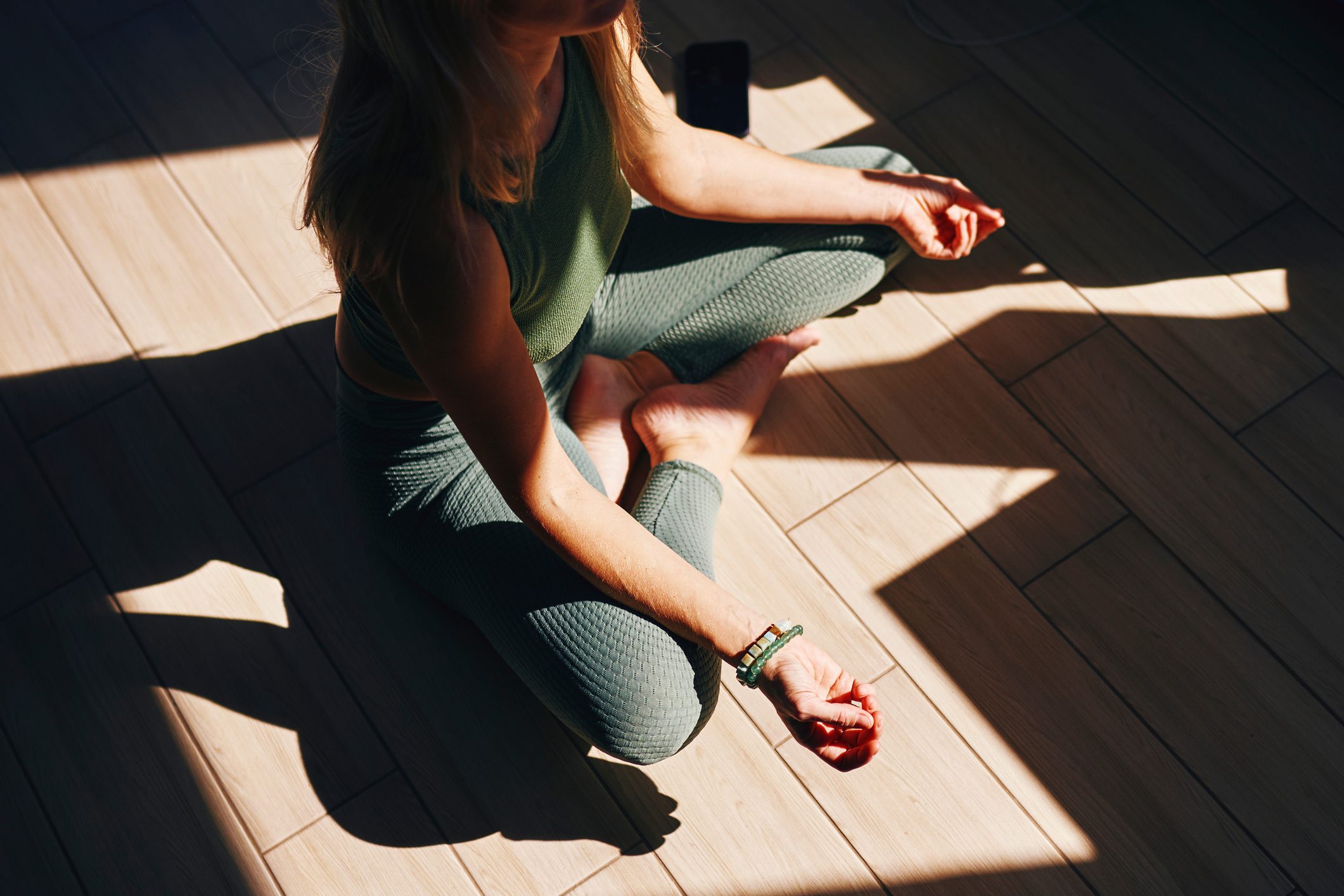
In today’s fast-paced world, stress and anxiety have become common experiences for many people. As we strive to find balance in our lives, meditation emerges as a powerful tool for mental health management. This ancient practice not only helps reduce stress but also offers a myriad of benefits for overall well-being. This article explores how meditation can be a valuable component of mental health and substance abuse treatment programs.
Understanding Meditation
Meditation is a practice where a person uses techniques such as mindfulness, or focusing the mind on a particular object, thought or activity, to train attention and awareness. It helps achieve a mentally clear and emotionally calm and stable state. But how does this practice translate into mental health benefits?
Types of meditation
There are several forms of meditation, each offering unique benefits. Understanding these can help you choose the right type for your needs.
- Mindful Meditation: This involves being present and fully engaged with the current moment without judgment. It’s about observing thoughts and feelings from a distance without labeling them as good or bad.
- Guided Meditation: Often led by a guide or teacher, this type uses imagery, sounds or words to guide the mind into a state of relaxation and focus.
- Transcendental Meditation: This involves silently repeating a mantra to settle the body into a state of profound rest and relaxation.
- Loving-Kindness Meditation: Also known as Metta meditation. It involves mentally sending goodwill, kindness and warmth towards others by silently repeating phrases.
By understanding these different types, you can choose a meditation practice that aligns with your mental health needs and personal preferences.
Benefits of Meditation for Anxiety Management
Anxiety is a common mental health issue that meditation can effectively address. Here’s how meditation helps in managing anxiety:
Reducing stress
Meditation promotes relaxation and reduces the levels of cortisol, the stress hormone. Regular meditation practice helps in lowering stress, which is often a precursor to anxiety.
Enhancing self-awareness
Through mindfulness and other meditation techniques, people become more aware of their thoughts and feelings. This self-awareness helps in recognizing anxiety triggers and managing them effectively.
Improving focus and concentration
Meditation trains the brain to focus better. This increased concentration helps in reducing the scattered thoughts that often accompany anxiety.
Promoting emotional health
Regular meditation practice has been shown to improve overall emotional health by increasing positive feelings and decreasing negative moods. This emotional balance is crucial for individuals struggling with anxiety.
Practical Tips for Incorporating Meditation Into Daily Life
For those new to meditation, starting small and gradually building the practice can be helpful. Here are some practical tips:
- Set Aside Time: Dedicate a specific time each day for meditation. Even a short 5-10 minute session can be beneficial.
- Create a Comfortable Space: Find a quiet, comfortable place where you can meditate without distractions.
- Use Guided Meditations: For beginners, guided meditations can be an excellent way to start. Many apps and online resources offer free guided meditation sessions.
- Be Consistent: Consistency is key. Try to meditate at the same time every day to establish a routine.
- Be Patient: Meditation is a skill that takes time to develop. Be patient with yourself and recognize that progress takes time.
Meditation as Part of a Comprehensive Treatment Plan
While meditation offers numerous benefits, it’s important to remember that it is not a standalone treatment for mental health or substance abuse issues. Instead, it should be part of a comprehensive treatment plan that may include therapy, medication, lifestyle changes and support groups.
Complementary therapy
Meditation can complement traditional therapies such as cognitive behavioral therapy (CBT) by enhancing relaxation and focus, which can improve therapy outcomes.
Supporting recovery in substance abuse treatment
In substance abuse treatment programs, meditation can play a supportive role by helping individuals manage stress and cravings, improving emotion regulation and promoting a sense of calm and well-being.
Enhancing overall well-being
Incorporating meditation into your life not only supports mental health but also enhances physical health, leading to better sleep, reduced pain and improved quality of life.
Meditation Can Help in Treatment
Meditation is a powerful tool that offers a wide range of benefits for mental health. By reducing stress, enhancing self-awareness and promoting emotional health, meditation can be a valuable addition to any mental health or substance abuse treatment plan.
Whether you’re a family member seeking to understand treatment options, or someone struggling with mental health challenges, incorporating meditation into your daily routine can help you navigate the complexities of mental health and support your journey toward well-being.
The Psychiatric Institute of Washington, located in Washington, DC, provides mental health services. Start your journey to better mental health today by contacting us or calling at 833-540-2800.