Bipolar Episodes: Key Timelines and the Warning Signs Behind Them
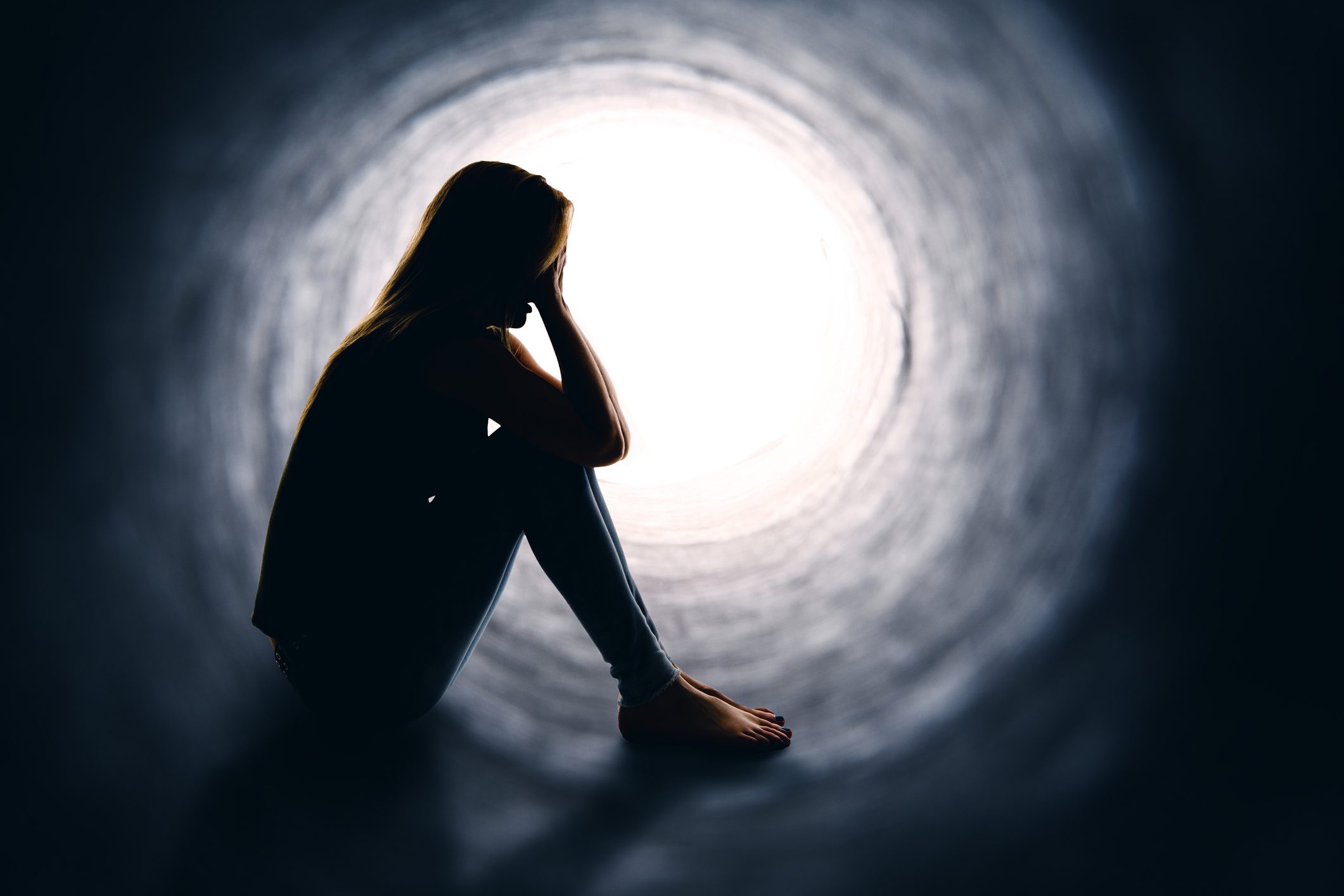
Bipolar disorder is a complex mental health condition that significantly impacts those affected by it. Understanding how long bipolar episodes last can help individuals and their families manage the condition more effectively. This article will explore the duration of bipolar episodes, what a manic episode looks like, symptoms and treatment options for bipolar disorder.
What Is Bipolar Disorder?
Bipolar disorder, formerly known as manic-depressive illness, is characterized by extreme mood swings, including emotional highs (mania or hypomania) and lows (depression). These mood swings can affect sleep, energy, activity, judgment, behavior and the ability to think clearly.
What Is a Bipolar Episode?
A bipolar episode refers to a period when the mood changes drastically from the individual’s baseline. These episodes include:
- Manic Episodes: A period of abnormally elevated mood, increased activity or energy levels. Symptoms may include grandiosity, decreased need for sleep, talkativeness, racing thoughts, distractibility and risky behavior.
- Depressive Episodes: A period of low mood or loss of interest in activities. Symptoms may include feelings of sadness, emptiness, hopelessness, fatigue and difficulty concentrating.
- Mixed Episodes: Symptoms of both mania and depression occur simultaneously.
How Long Do Bipolar Episodes Last?
The duration of bipolar episodes can vary widely. On average:
- Manic or Hypomanic Episodes: These can last from a few days to several weeks. Hypomanic episodes are generally shorter and less severe than manic episodes.
- Depressive Episodes: These typically last longer, from weeks to months, and can be more difficult to manage.
- Mixed Episodes: The duration is similar to manic episodes but can be more challenging to diagnose and treat due to the combination of symptoms.
Factors Affecting Episode Duration
Several factors influence how long bipolar episodes last, including:
- Type of Bipolar Disorder: There are different types of bipolar disorder, including Bipolar I, Bipolar II and Cyclothymic Disorder. Bipolar I involves severe manic episodes, while Bipolar II includes hypomanic episodes and severe depressive episodes. Cyclothymic Disorder involves milder mood swings.
- Individual Differences: Genetics, overall health and personal circumstances can affect the duration and severity of episodes.
- Treatment: Early intervention and appropriate treatment can significantly reduce the duration and severity of episodes.
Recognizing Symptoms of Bipolar Episodes
Understanding the symptoms of bipolar episodes is crucial for managing the condition effectively. Here are some common symptoms:
Manic Episode Symptoms
- Increased energy or activity
- Euphoria or irritability
- Decreased need for sleep
- Racing thoughts and rapid speech
- Poor decision-making or risky behavior
Depressive Episode Symptoms
- Persistent sadness or hopelessness
- Loss of interest in activities
- Changes in appetite or weight
- Difficulty sleeping or oversleeping
- Fatigue or lack of energy
- Feelings of worthlessness or guilt
Mixed Episode Symptoms
- Symptoms of both mania and depression
- Rapid mood shifts
- High energy levels with feelings of sadness
Treatment Options for Bipolar Disorder
Managing bipolar disorder often involves a combination of medication, therapy and lifestyle changes. Here’s a closer look at some treatment options:
Medications
Medications are often the first line of treatment and may include:
- Mood Stabilizers: Such as lithium or valproate, help manage mood swings.
- Antipsychotics: Used to treat severe manic or mixed episodes.
- Antidepressants: Sometimes prescribed to manage depressive episodes, though they must be used cautiously as they can trigger mania in some cases.
Psychotherapy
Therapy can be an essential part of treatment and includes:
- Cognitive Behavioral Therapy (CBT): Helps change negative thought patterns and behaviors.
- Family-Focused Therapy: Involves family members to help improve communication and support.
- Interpersonal and Social Rhythm Therapy: Focuses on stabilizing daily rhythms like sleep and activity.
Lifestyle changes
Certain lifestyle modifications can help manage bipolar disorder:
- Regular Sleep Schedule: Helps stabilize mood.
- Healthy Diet and Exercise: Supports overall well-being.
- Stress Management: Techniques like mindfulness and relaxation exercises can be beneficial.
- Avoiding Alcohol and Drugs: These substances can exacerbate symptoms.
Practical Advice for Managing Bipolar Disorder
Dealing with bipolar disorder can be challenging, but here are some practical tips to help manage the condition:
- Educate Yourself and Loved Ones: Understanding the condition can help in recognizing early signs of episodes and taking preventive measures.
- Develop a Support Network: Connect with friends, family or support groups who can offer help and understanding.
- Adhere to Treatment Plans: Consistent use of medication and therapy significantly improves outcomes.
- Monitor Mood Changes: Keeping a mood diary can help identify triggers and patterns.
- Communicate with Healthcare Providers: Regular check-ins can help make sure that treatment remains effective and adjustments are made as necessary.
Help With Bipolar Disorder in Washington, DC
Understanding how long bipolar episodes last and recognizing their symptoms are critical steps in managing bipolar disorder. With the right combination of medication, therapy and lifestyle changes, individuals with bipolar disorder can manage the disorder and take positive steps forward.
If you are considering treatment for bipolar disorder, reach out to a mental health professional to explore your options and begin the path to recovery today. The Psychiatric Institute of Washington, located in Washington, DC, provides mental health services. Start your journey to better mental health today by contacting us or calling at 833-540-2800.