CPTSD vs. PTSD: The Essential Differences Every Survivor Should Understand
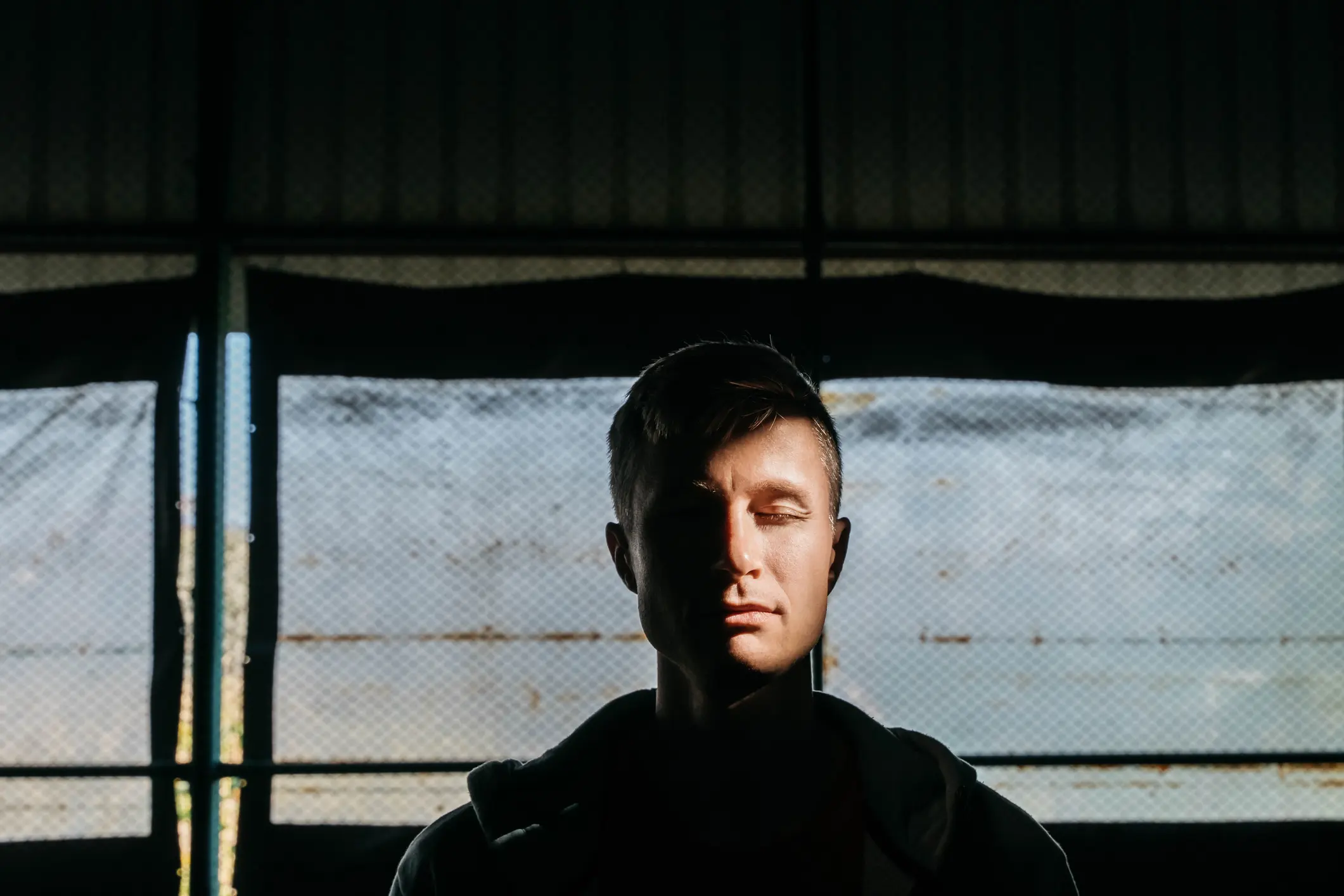
Understanding the differences between Complex Post-Traumatic Stress Disorder (CPTSD) and Post-Traumatic Stress Disorder (PTSD) can be crucial in choosing the right treatment path. Both conditions stem from traumatic experiences, yet they manifest and are treated differently.
What Is PTSD?
Post-Traumatic Stress Disorder is a mental health condition triggered by experiencing or witnessing a traumatic event. Common events leading to PTSD include combat exposure, natural disasters or serious accidents.
Symptoms of PTSD
PTSD symptoms can be broadly categorized into four types:
- Intrusive Memories: Recurring, unwanted memories of the traumatic event.
- Avoidance: Steering clear of places, people or activities that remind one of the trauma.
- Negative Changes in Thinking and Mood: Feeling hopeless, emotional numbness or difficulty maintaining close relationships.
- Changes in Physical and Emotional Reactions: Being easily startled or having trouble sleeping.
How to Help Someone With PTSD
Supporting someone with PTSD involves being patient and understanding. Encourage them to seek professional help, listen without judgment and offer assistance with daily tasks.
What Is CPTSD?
Complex Post-Traumatic Stress Disorder arises from prolonged or repeated trauma over months or years, rather than a single event. It’s often seen in cases of childhood abuse or long-term domestic violence.
Symptoms of CPTSD
While CPTSD includes symptoms of PTSD, it also features additional challenges:
- Emotion Regulation Issues: Difficulty managing emotions, leading to extreme mood swings.
- Consciousness Alterations: Feeling detached from oneself, often experiencing memory lapses regarding the trauma.
- Negative Self-Perception: Persistent feelings of helplessness, shame, guilt or being different from others.
- Interpersonal Relationship Difficulties: Struggles with trusting others and maintaining relationships.
- Distorted Perceptions of the Abuser: Becoming preoccupied with the relationship to the abuser.
The Key Differences Between CPTSD and PTSD
While both PTSD and CPTSD stem from trauma, the nature and duration of the trauma differ. PTSD typically results from a single event, whereas CPTSD is linked to ongoing trauma. Moreover, CPTSD includes additional symptoms related to emotion regulation, self-perception and interpersonal relationships.
PTSD Treatment Plan
A structured PTSD treatment plan often involves a combination of therapy, medication and lifestyle changes.
- Cognitive Behavioral Therapy (CBT): Helps individuals change negative thought patterns.
- Eye Movement Desensitization and Reprocessing (EMDR): Involves processing traumatic memories through guided eye movements.
- Medication: Antidepressants such as SSRIs can be effective.
Complex PTSD Therapy
Treating CPTSD is more intensive due to the complexities involved:
- Dialectical Behavior Therapy (DBT): Focuses on teaching coping skills to manage emotions.
- Group Therapy: Provides a supportive community and helps with interpersonal skills.
Veterans and PTSD
Veterans are particularly susceptible to PTSD due to combat experiences. Many treatment centers offer specialized programs for veterans, including peer support groups and therapies tailored to military experiences.
Advice for Family Members
If you have a loved one dealing with PTSD or CPTSD, there are practical steps you can take:
- Educate Yourself: Understanding the condition can help you provide better support.
- Encourage Treatment: Gently encourage them to seek professional help.
- Practice Patience: Recovery takes time, and setbacks are part of the process.
- Take Care of Yourself: Supporting someone with PTSD can be challenging, so make sure you have your own support network.
Help for PTSD and CPTSD in Washington, DC
CPTSD and PTSD, while similar in their origins in trauma, require different approaches for treatment. Understanding their differences can aid in choosing the right path for recovery. Whether you or a loved one is affected, remember that help is available, and recovery is possible with the right support and resources.
If you are considering treatment for PTSD, reach out to a mental health professional to explore your options and begin the path to recovery today. The Psychiatric Institute of Washington, located in Washington, DC, provides mental health services. Start your journey to better mental health today by contacting us or calling at 833-540-2800.